
TL;DR
Managing volatile gas prices in the Philippines involves finding alternative energy solutions. Solar power directly mitigates these rising costs by reducing overall household and commercial dependence on fuel-driven grid electricity.
- Lower Electricity Bills: Shifting to solar decreases your monthly consumption from traditional utility providers.
- Long-Term Savings: Investing in solar panels shields consumers from unpredictable fossil fuel inflation.
- Energy Independence: Generating your own power reduces vulnerability to global oil supply shocks.
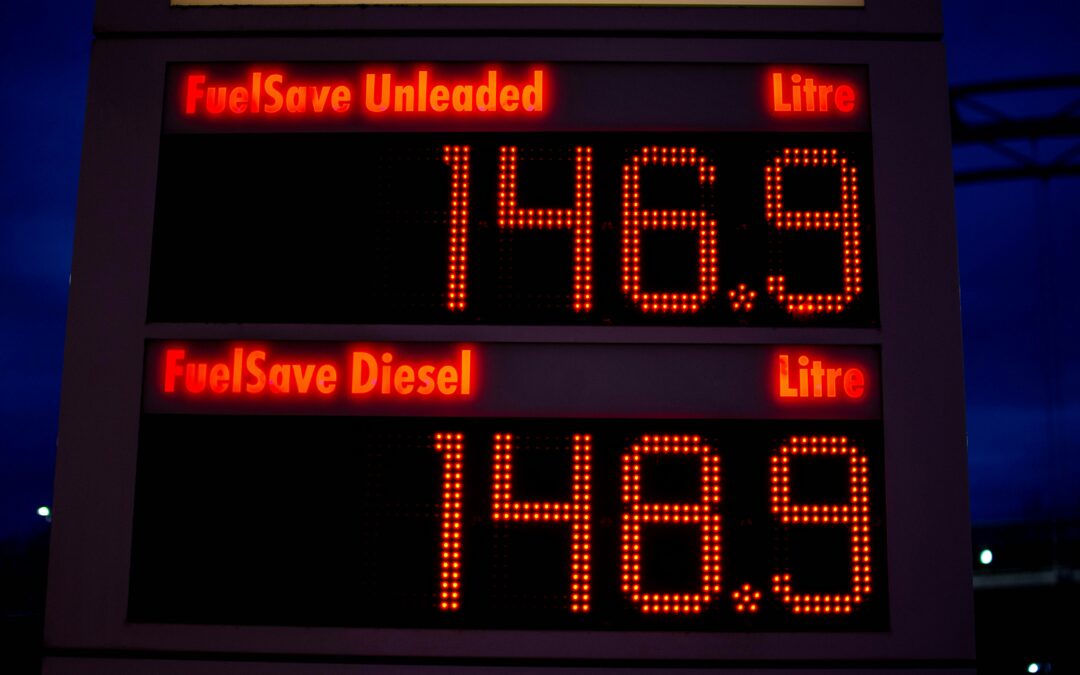
Rising gas prices have become a recurring concern for many Filipinos, affecting everything from transportation costs to overall household expenses. As energy-related costs continue to fluctuate, consumers and businesses alike are exploring ways to better manage their budgets and reduce their exposure to price increases.
Among the options gaining attention is solar power, an energy solution that is becoming increasingly relevant in today’s economic landscape. Understanding why more Filipinos are considering solar energy starts with examining its role in addressing the challenges posed by rising fuel costs.
This article explores the specific factors driving local fuel inflation and outlines how adopting renewable energy can shield your finances. Let us look closely at what is driving these market changes.
10 Reasons Why Gas Prices Are Rising in the Philippines
The cost of fuel in the Philippines does not fluctuate in a vacuum. Local pump prices reflect a complex mix of international market dynamics, currency valuation, and domestic economic policies that collectively impact the consumer’s pocketbook.
1. Rising global crude oil prices
The Philippines is a price taker in the global petroleum market. When international benchmarks like Dubai crude escalate due to geopolitical tensions or production cuts by major oil-producing nations, local oil companies must pay more to secure supply, forcing pump prices higher for Filipino motorists.
2. Peso weakness against the U.S. dollar
Because global oil trading occurs exclusively in U.S. dollars, the value of the Philippine Peso plays a critical role. When the Peso weakens against the Dollar, it requires more local currency to purchase the exact same volume of fuel, compounding the financial burden on local importers.
3. Higher fuel import costs
Beyond the raw cost of oil, importing finished petroleum products incurs substantial overhead. Shipping fees, maritime insurance, and port charges all climb when global supply lines face disruption, driving up the baseline landing cost of fuel before it even reaches local retail stations.
4. Increased transportation and logistics expenses
Moving fuel across an archipelagic nation presents unique logistical challenges. As the initial cost of fuel rises, the expense of operating the tanker trucks and inter-island vessels that distribute gasoline throughout the provinces increases, creating a compounding cycle of price hikes.
5. Refining and distribution costs
Processing crude oil into usable gasoline and maintaining a vast network of service stations requires significant energy and capital. Local oil firms pass the operational costs of running refineries, storage terminals, and retail franchises directly onto the consumer at the pump.
6. Government fuel taxes and levies
Domestic fiscal policy heavily influences final retail prices. Statutory mechanisms like the Tax Reform for Acceleration and Inclusion (TRAIN) law impose specific excise taxes and a 12% Value-Added Tax (VAT) on petroleum products, establishing a fixed price floor that remains high even if oil market rates temporarily dip.
7. Growing energy demand from businesses and consumers
The steady post-pandemic economic recovery across the Philippines has triggered a massive surge in energy consumption. As industrial manufacturing, commercial centers, and everyday commuters return to full operation, the heightened competition for available fuel supplies naturally drives prices upward.
8. Supply constraints in the global oil market
When major global alliances like OPEC+ deliberately restrict their oil output, or when regional conflicts halt production facilities abroad, the global supply shrinks. This artificial or situational scarcity triggers immediate price spikes that Filipino consumers feel within days.
9. Inflationary pressures across the energy sector
Broad economic inflation raises the cost of specialized equipment, labor, and maintenance services needed to keep the energy supply chain functional. These systemic cost increases ripple through the economy, inflating the operational budgets of energy providers and driving up consumer prices.
10. Dependence on imported fuel for energy needs
The Philippines relies heavily on foreign nations for its fossil fuel requirements, importing nearly all of its petroleum. This lack of self-sufficiency means the local economy remains permanently vulnerable to external geopolitical shocks and foreign market instability.
How Solar Energy Helps Mitigate the Effects of Gas Prices in the Philippines
Transitioning to renewable energy offers a practical shield against volatile fossil fuel markets. By generating power directly on-site, individuals and enterprises can fundamentally alter how they absorb energy costs.
1. Lower monthly electricity bills
Installing rooftop solar panels allows you to generate your own electricity during peak daylight hours. This self-generated power replaces the expensive electricity you would otherwise buy from the grid, resulting in an immediate and noticeable reduction in your monthly utility statements.
2. Reduced dependence on grid power
Relying entirely on the national grid exposes consumers to frequent rate hikes and supply instabilities. Solar infrastructure provides a decentralized power source, meaning a significant portion of your daily energy needs is met without pulling electricity from the main utility lines.
3. Protection against rising energy costs
Because the Philippine power grid relies heavily on imported coal and gas, electricity rates climb whenever global fuel prices spike. Solar energy locks in a free source of raw power—the sun—effectively insulating your household from external fossil fuel market volatility.
4. Greater energy cost predictability
Traditional utility bills fluctuate wildly based on fuel generation charges and seasonal demand. A solar power system provides exceptional financial clarity, as the cost of generating your own sunlight-based electricity remains constant at zero pesos per kilowatt-hour for the lifespan of the system.
5. Reduced reliance on fuel-based electricity generation
A vast portion of the electricity distributed in the Philippines comes from oil-fired and coal-fired thermal power plants. By adopting solar solutions, you actively decrease the collective demand for these fuel-guzzling plants, weakening the connection between your lifestyle and global oil prices.
6. Long-Term savings on energy expenses
While setting up a solar array requires an upfront financial commitment, the system quickly transitions into a source of pure savings. Over a typical operational lifespan of 25 years, the accumulated reductions on your utility bills far outweigh the initial procurement costs.
7. Improved energy independence
Generating power locally keeps your financial resources within your own home or business rather than sending funds abroad to foreign oil producers. This localized approach strengthens individual financial security and contributes to a more self-reliant national energy landscape.
8. Lower operating costs for businesses
For commercial enterprises, daytime operations align perfectly with peak solar production hours. Utilizing solar power to run heavy machinery, office air conditioning, and lighting systems dramatically slashes overhead costs, allowing businesses to maintain stable consumer prices despite rising transport fuel costs.
9. Increased resilience against utility rate hikes
Utility companies frequently pass fuel procurement adjustments down to their customer base via monthly generation charge increases. Solar users remain largely unaffected by these periodic regulatory adjustments because they produce their own power right where it is consumed.
10. Better return on energy investments over time
Unlike paying a standard utility bill, which represents a perpetual sunk cost, purchasing a solar energy system acts as a high-yielding asset. The money saved on electricity pays off the equipment quickly, delivering strong financial yields for decades to come.
Take Control of Your Energy Future
Rising gas prices are prompting many Filipinos to rethink how they consume and manage energy. As the search for practical and sustainable alternatives continues, solar power has emerged as an option worth considering.
Transitioning away from imported fossil fuels protects your hard-earned financial resources from unpredictable global market shifts. Embracing clean, localized generation allows both families and commercial enterprises to secure predictable overhead expenses for decades to come.
For more resources and guidance on solar solutions and sustainability strategies, contact SolarNRG today to learn how their solar solutions can support your projects.

FAQ1. How do rising gas prices affect electricity costs in the Philippines?Because a substantial portion of the Philippine power grid relies on fuel-burning power plants, escalating oil and gas prices increase the overall cost of generation. Utility companies pass these expenses to consumers through higher generation charges on monthly bills. 2. Is solar power a cost-effective investment for Filipino homeowners?Yes, installing solar power is highly cost-effective due to the high retail electricity rates in the Philippines and the abundant local sunshine. The system significantly lowers your monthly overhead expenses right from the first day of activation. 3. How long does it take for a solar panel system to pay for itself?The typical payback period for a residential solar installation in the Philippines ranges between four to six years. After this initial period, the electricity generated by the system becomes entirely free profit for the remainder of its lifespan. 4. Can solar panels provide enough energy to reduce dependence on the grid?Solar panels can easily handle the vast majority of your daytime energy requirements, which drastically scales back your dependence on traditional utilities. Adding a battery storage system allows you to extend this independence well into the night. 5. What factors should I consider before installing a solar power system?You need to evaluate your average daytime electricity usage, the structural integrity of your roof, and any potential shading from nearby structures or trees. Financing choices and finding a reputable, certified installer are also critical steps. |
Recent Comments